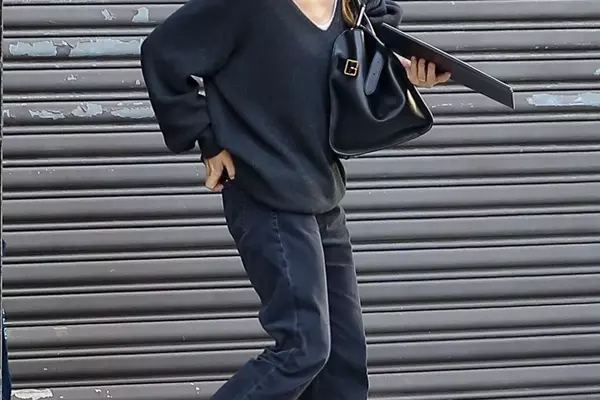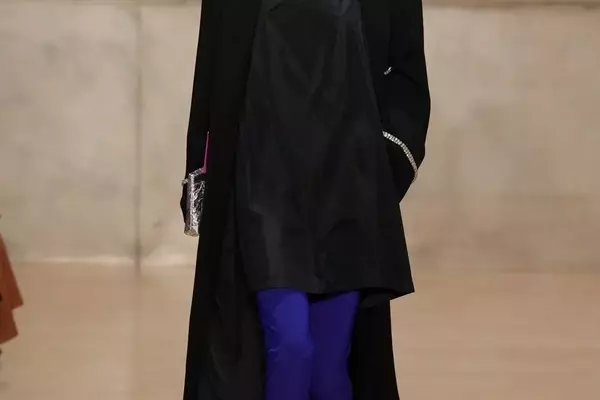
The two-tone shoe, originating from Gabrielle Chanel's innovative design in 1957, has evolved into a defining symbol of elegance and versatility in the fashion world. This enduring style, initially crafted in collaboration with shoemaker Massaro, was conceived with the principle that a beige upper visually elongates the leg, while a contrasting black toe cap creates the illusion of a more delicate foot. Over six decades later, this distinctive aesthetic continues to convey a sense of refined, everyday sophistication, influencing designers and fashion enthusiasts alike.
Contemporary fashion showcases a vibrant evolution of this classic design, with leading houses and designers infusing it with fresh perspectives. Recent runway collections from esteemed brands like Chanel, Ferragamo, and Isabel Marant have unveiled diverse interpretations of the two-tone shoe. These modern iterations embrace varied silhouettes, including refreshed square-toe heels and elegant pointed pumps, alongside novel material combinations like luxurious tweeds, soft suedes, and polished patent leathers. The expanded color palettes and textures highlight the two-tone shoe's adaptability, solidifying its place as a cherished and evergreen element in high fashion.
The Enduring Legacy of the Two-Tone Shoe
The original two-tone pump, created by Gabrielle Chanel in 1957, instantly became a signature piece for the house and an icon in the fashion landscape. Its innovative design aimed to enhance the wearer's silhouette by using beige leather to elongate the leg and a black cap toe to visually reduce foot size. This thoughtful combination of aesthetics and practicality secured its status as a timeless piece, consistently radiating effortless elegance. Its foundational principles have allowed it to transcend seasonal trends, maintaining its relevance and desirability for generations of fashion connoisseurs. The strategic use of color not only created a visually striking contrast but also offered a functional benefit, making it a versatile accessory that could complement a wide range of outfits and occasions.
The enduring allure of the two-tone shoe is deeply rooted in its clever design, which flawlessly marries style with optical enhancement. The beige body of the shoe works harmoniously to extend the line of the leg, while the dark toe cap provides a sophisticated detail that slims the appearance of the foot. This classic combination has ensured its continuous presence in the wardrobes of fashion-conscious individuals. Furthermore, the two-tone concept has evolved beyond its initial pump silhouette, now gracing ballet flats, slingbacks, and other footwear styles, demonstrating its remarkable adaptability and universal appeal. This ongoing evolution, while staying true to its original spirit, ensures that the two-tone shoe remains a perpetually chic and functional choice for any sophisticated ensemble.
Modern Interpretations and Contemporary Trends
In recent fashion seasons, designers have creatively reimagined the iconic two-tone footwear, breathing new life into its classic framework. For Fall 2026, Matthieu Blazy at Chanel presented distinctive square-toe heels featuring a contrasting V-shaped vamp, offering a modern twist on the heritage design. Meanwhile, Maximilian Davis for Ferragamo introduced pointed pumps in elegant cream and black, drawing inspiration from nautical themes. Isabel Marant took a bolder approach, incorporating vibrant snakeskin-embossed leather in spliced color arrangements, showcasing the enduring versatility of the two-tone motif across various styles and textures. These contemporary interpretations highlight how the fundamental concept continues to inspire innovation in luxury footwear, appealing to both traditionalists and those seeking fresh, avant-garde designs.
The versatility of the two-tone shoe is evident in its widespread reinterpretation by numerous brands over several decades, extending far beyond the initial pump design. While ballet flats have emerged as a particularly favored silhouette, the classic slingbacks and traditional pumps continue to be prominently featured in collections. This enduring appeal is further enhanced by the diversity of materials and textures employed, including luxurious tweed, soft suede, and glossy patent leather, all rendered in various sophisticated color combinations. Such extensive adaptations underscore the two-tone shoe's remarkable capacity to evolve with changing fashion landscapes while retaining its intrinsic elegance, solidifying its position as a perpetually chic and adaptable footwear choice for any discerning wardrobe.