In 2026, the world of weddings is being redefined by a focus on intention and individual expression. Couples are increasingly seeking to craft celebrations that authentically mirror their unique identities and values, rather than adhering to conventional aesthetics or timelines simply for the sake of tradition. This shift prioritizes creating a profound and memorable guest experience, where every detail, from the culinary presentation to the entertainment, contributes to a deeply personal narrative. Leading wedding planners concur that the future of matrimonial events lies in bespoke elements, immersive environments, and a thoughtful departure from the one-size-fits-all approach, ensuring each wedding truly resonates with those present.
A key aspect of this intentional approach is evident in how food is being integrated into the wedding experience. Culinary offerings are no longer just about taste; they are becoming a visual art form. Planners like Tory Smith and Bryan Rafanelli note a trend towards sculptural presentations, varied textures, and vibrant color palettes that transform food into an interactive decorative element. Guests are encouraged to engage with these displays, fostering connection and comfort, making dining a central, curated experience rather than a mere formality. This includes a revival of the buffet, albeit in a highly refined and artistic manner.
Furthermore, wedding design is embracing a more enduring and architectural aesthetic. Jennifer Zabinski highlights the emergence of "scenic walls" as a sophisticated alternative to purely decorative elements like flower walls. These architectural backdrops provide a sense of place and permanence, allowing designs to feel layered, bespoke, and editorial. They offer versatility, capable of evoking diverse moods from European villas to modern galleries, without resorting to literal themes. This emphasis on structural design elements underscores a desire for lasting beauty that transcends fleeting trends.
Storytelling through design is also gaining prominence, as couples move beyond superficial aesthetics. Shannon Leahy emphasizes that the goal is not merely "more décor," but rather originality and a sense of immersion. This translates into unique installations, sculptural florals, and unexpected spatial layouts that surprise guests and spark conversation. Jove Meyer adds that meaning is the new luxury, with couples desiring celebrations that convey their community, culture, sustainability values, or social impact. Bryan Rafanelli likens these events to stepping into a fully realized world, where every sensory detail, from wardrobe to scent, is meticulously aligned to create a transportive experience.
Beyond grand gestures, personalized touches are permeating every facet of the wedding. Linen placemats are becoming a design anchor for tabletops, offering an unexpected pop of personality and tying room details together, as observed by Lynn Easton and Dawson Mitchell. Bold lighting design, according to Xin Huang, is no longer just functional but a crucial mood-setter and decorative element, guiding the eye and transforming spaces. Intentional entertainment, curated from the couple's daily lives rather than generic wedding circuits, adds authenticity and a global perspective. From custom slippers for dancing to bespoke lampshades for after-parties, and even personalized fashion for the wedding party, Michelle Norwood and Tory Smith confirm that "custom everything" is the prevailing sentiment.
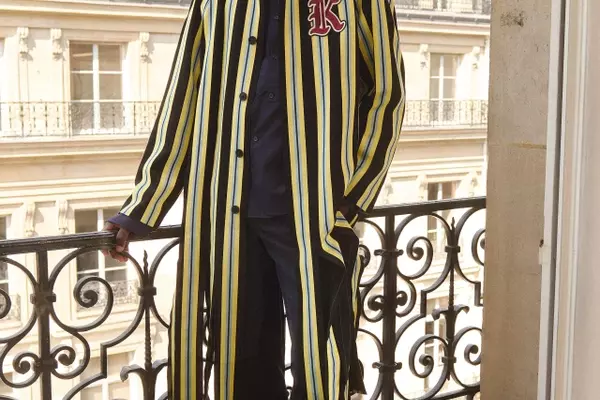
A profound shift is occurring in how traditions are viewed and enacted. Jove Meyer notes that couples are prioritizing "personal rituals over tradition for tradition's sake," rewriting rules to create ceremonies and moments that feel genuinely authentic to them. This sentiment is echoed by Michelle Norwood, who observes a release from meaningless traditions and tightly packed timelines in favor of natural and true moments. This includes a growing trend of fashion-forward grooms, who are now treating their attire as a curated expression of personal style, moving away from standard tuxedos to custom suits, statement shoes, and thoughtful accessories, as highlighted by Shannon Leahy.
The culinary landscape is also seeing innovative changes, with Liz Linkleter noting clients' requests for sculptural cakes with metallic finishes and melting aesthetics, moving beyond towering traditional wedding cakes. The "What's Out" section further reinforces the trend of intentionality, rejecting early day-after brunches in favor of more relaxed options, social media moments that don't enhance guest experience, and single-use disposable décor. Overexposed wedding destinations are also losing favor, replaced by unique, less recognizable locales that value intimacy and atmosphere over widespread popularity, creating a sense of discovery and personal history. Unloved guestbooks are being swapped for meaningful keepsakes that couples will genuinely revisit, reinforcing the desire for lasting memories over fleeting gestures. These trends collectively paint a picture of a wedding future that is deeply personal, creatively expressive, and thoughtfully immersive.