For two decades, “The Real Housewives” series has captivated audiences with its blend of drama and displays of opulence. Initially, the show offered an unfiltered glimpse into the lives of affluent women, where personal style reflected their daily routines rather than a curated image. Over the years, however, the program has undergone a significant metamorphosis, transitioning into a showcase of deliberate and often extravagant fashion. This evolution, fueled by the rise of social media and a heightened awareness of public perception, has transformed the housewives into fashion icons, with each outfit meticulously chosen to amplify their on-screen personas.
The impact of “The Real Housewives” on fashion extends beyond the screen, with cast members now engaging with the industry on a professional level. From walking runways for renowned designers to collaborating with top stylists, these women have cemented their status as influential figures in the fashion world. The show's reunion specials, in particular, have become a battleground of style, where housewives unveil their most ambitious and talked-about ensembles, solidifying the series' reputation as a powerful platform for sartorial expression.
From Casual Comfort to Curated Glamour: The Evolution of Housewives' Style
In its nascent stages, “The Real Housewives” franchise showcased a more unrefined and authentic approach to personal style. Early episodes featured cast members in attire that reflected their everyday lives, prioritizing comfort and practicality over high fashion. This candidness, characterized by occasional sartorial missteps and uninhibited displays of wealth, contributed to the show's initial appeal as a "guilty pleasure." Viewers were drawn to the unfiltered glimpse into the lives of these women, where fashion choices were often spontaneous rather than strategically planned. The emphasis was on genuine self-expression, even if it sometimes leaned towards the ostentatious or overtly flashy. This period saw the foundational series like "The Real Housewives of Orange County," followed by New York, Atlanta, and New Jersey, setting the stage for what would become a global phenomenon. Figures like Luann de Lesseps, an original New York housewife, recall a time when wardrobe decisions were simply about dressing as they lived, without the immense scrutiny that social media now brings. Her famous quip, "Even Louis Vuitton makes mistakes," perfectly encapsulates the less polished, more spontaneous era of early Housewives fashion. The focus was less on brand names and more on an overall aesthetic of luxury, even if that luxury was sometimes perceived as gaudy. This aspirational yet often unrefined style was part of the charm, creating a relatable, albeit extravagant, viewing experience for audiences.
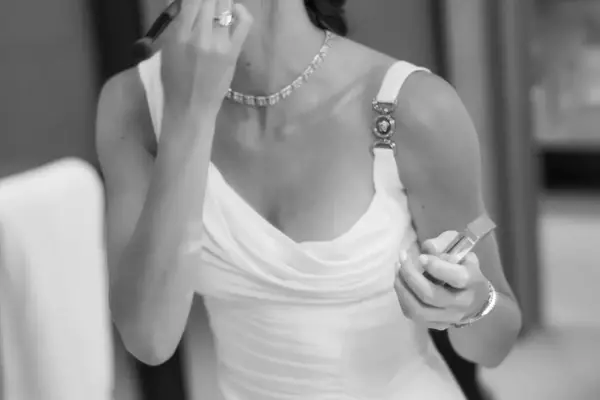
As the franchise gained momentum and the cultural landscape shifted, driven by the pervasive influence of social media, the approach to fashion on “The Real Housewives” underwent a dramatic overhaul. The once-casual wardrobe choices evolved into carefully curated ensembles, with cast members increasingly relying on stylists and meticulously planning their looks for every appearance. This transformation was largely a response to the magnified scrutiny from fans and the media, who now dissect every outfit. Beverly Hills star Dorit Kemsley highlights how social media has amplified every fashion moment, making what they wear a significant part of the conversation long after an episode airs. The show transitioned from a voyeuristic experience to a high-stakes fashion arena where personal branding became paramount. Each city developed its unique sartorial identity, from Atlanta's vibrant colors and sculptural silhouettes championed by models turned housewives like Cynthia Bailey, to Beverly Hills' embrace of logomania and high-end designer pieces. The goal became not just to look glamorous but to embody a specific persona through clothing, a "performance" that often required significant investment in custom pieces and the expertise of glam squads. This shift is particularly evident in the highly anticipated reunion specials, where housewives often save their most spectacular gowns, turning the event into a theatrical display of fashion where each look is meant to make a statement before a single word is spoken. This intentionality, driven by the demands of an engaged audience and the competitive nature of reality television, has firmly established “The Real Housewives” as a formidable force in contemporary fashion.
Beyond the Screen: Housewives as Fashion Trendsetters
The journey of “The Real Housewives” from reality television stars to bonafide fashion influencers is a testament to the power of their evolving style. What began as an accidental showcase of personal wealth has matured into a deliberate platform for sartorial expression, with many housewives now leveraging their public profiles to engage with the fashion industry directly. The show's influence is particularly evident in the increasingly sophisticated and trend-setting outfits seen on screen, which have captured the attention of both fans and industry professionals. The shift is not merely about wearing expensive brands but about developing a distinctive "visual language" that communicates their personality and status. This intentional approach has turned the franchise into a significant tastemaker, where cast members are not just following trends but actively setting them, inspiring viewers to emulate their bold and confident fashion choices. The show has become a fertile ground for fashion innovation, with housewives demonstrating how clothing can be a powerful tool for self-expression and public perception.
The impact of “The Real Housewives” on the fashion world is palpable, with several cast members transcending their reality TV origins to become respected figures in haute couture and ready-to-wear. Lisa Rinna, for instance, has graced runways for prominent designers like Germanier, a stark contrast to earlier days when attempts at fashion ventures by housewives, such as Shereé Whitfield's jogger line or Ramona Singer's Brooklyn Fashion Week appearance, were met with mixed reactions. This evolution underscores a newfound credibility and professionalism within the franchise's fashion endeavors. Many housewives now collaborate with elite stylists, dedicating months to perfect their looks for confessionals, episodic appearances, and reunion specials. This meticulous planning transforms their wardrobe into a strategic component of their on-screen persona, treating fashion as an integral part of their "performance," as Erika Jayne eloquently describes. The emphasis is on building a clever, cohesive look with a dedicated team—hair, makeup, nails, and accessories—to ensure complete confidence and embody a character that resonates with the audience. While some, like Jennifer Tilly and Bronwyn Newport, prefer to style themselves, valuing the authenticity and personal vision in their choices, the overarching theme is a heightened dedication to fashion as a crucial element of their public image. This strategic engagement with fashion ensures that even if arguments are forgotten, the memorable dresses and iconic styles of "The Real Housewives" will endure in the cultural consciousness.