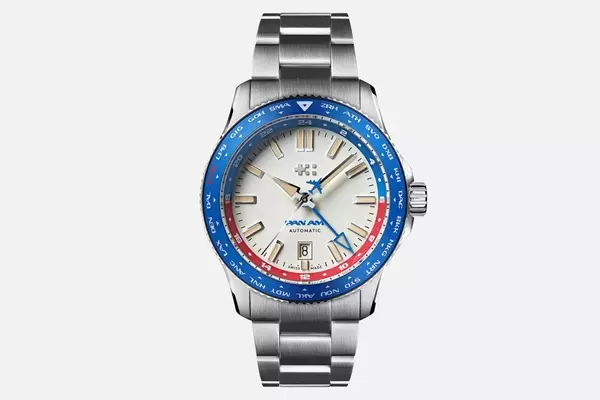
The Swiss watch industry, a pillar of luxury and precision, has demonstrated resilience by achieving a notable increase in exports, particularly after facing several months of challenging market conditions. This upturn highlights the dynamic interplay between international trade policies, consumer demand, and the strategic pricing decisions of leading luxury brands. The recovery signals a period of renewed optimism for manufacturers and collectors alike, underscoring the enduring value and appeal of meticulously crafted timepieces in the global market.
The recent surge in Swiss watch exports signals a significant recovery for the luxury timepiece sector, following a period characterized by economic uncertainties and trade policy shifts. This rebound is particularly noteworthy given the previous downturns and the broader global economic landscape. The data provides a clear indication that adjustments in trade regulations, specifically the reduction of tariffs by the U.S., can have a swift and positive impact on international trade flows. This development is crucial not only for the Swiss economy but also for the global luxury market, which often looks to the watch industry as a barometer of high-end consumer confidence and spending.
Tariff Adjustments Drive Market Recovery
The latest figures from the Federation of the Swiss Watch Industry reveal a 3.3 percent increase in timepiece exports in December, a welcome shift after a four-month slump. This recovery is directly linked to the United States' decision to reduce import tariffs on Swiss watches from an initial high of 39 percent down to 15 percent, aligning it more closely with duties imposed on EU goods. This policy change effectively lowered the cost barrier for Swiss watches entering the lucrative American market, reinvigorating sales and distribution channels. The immediate positive response in export volumes underscores the significant influence of trade policies on the luxury goods sector.
The considerable reduction in U.S. tariffs on Swiss timepieces from a peak of 39 percent to a more manageable 15 percent has undeniably acted as a primary catalyst for the recent export growth. This policy modification provided much-needed relief to Swiss manufacturers, enabling them to offer their products at more competitive prices within the American market. The previous high tariffs had significantly dampened demand and profitability, leading to a noticeable decline in exports. With the adjusted tariffs, American consumers now face a more favorable pricing environment, which in turn has stimulated increased purchasing. This strategic tariff adjustment by the U.S. government has not only facilitated a resurgence in Swiss watch sales but also highlighted the sensitivity of the luxury market to international trade dynamics and the potential for rapid recovery when trade barriers are eased. The impact extends beyond mere sales figures, fostering a renewed sense of confidence among stakeholders in both the Swiss watch industry and the broader global luxury market.
Global Market Dynamics and Brand Strategies
While the U.S. market saw a substantial 19 percent rise in Swiss watch imports, France experienced an even more dramatic increase of 50.9 percent. Conversely, China and Hong Kong observed modest declines, indicating a diversified global market response to the tariff adjustments and broader economic conditions. In response to these shifts and ongoing market pressures, leading brands such as Rolex, Audemars Piguet, and Tudor proactively raised their prices at the start of the year. These strategic price adjustments, ranging from 5.6 percent to 7.5 percent, reflect brands' efforts to maintain profitability and prestige amidst fluctuating gold prices and global inflation.
The global luxury watch market is currently navigating a complex landscape shaped by varying regional demands and economic factors. While North America and parts of Europe, particularly France, show robust growth driven by eased tariffs and strong consumer interest, Asian markets like China and Hong Kong present a mixed picture with slight contractions. This regional divergence necessitates adaptable strategies from Swiss watch manufacturers, who must tailor their approaches to different consumer bases and economic climates. Furthermore, the decision by luxury giants like Rolex, Audemars Piguet, and Tudor to implement price increases for 2026 is a calculated move to protect brand value and profit margins against inflationary pressures and rising production costs. These price adjustments, which saw increases of up to 7.5 percent, also serve to reinforce the exclusivity and aspirational appeal of these high-end timepieces. Such strategies are crucial in maintaining the perception of luxury and ensuring long-term sustainability within a highly competitive and discerning market. The combined effect of tariff adjustments and strategic brand positioning is shaping the current trajectory of the Swiss watch industry on a global scale.