In the dynamic world of professional tennis, a burgeoning trend is reshaping how athletes present themselves, transforming the simple act of walking onto the court into a significant style declaration. This phenomenon, dubbed "walk-on looks," mirrors the highly publicized pre-game fashion displays seen in basketball, particularly the NBA's renowned tunnel walks. Players are now leveraging their platform to showcase bespoke outfits, meticulously crafted in collaboration with both luxury fashion houses and major sportswear manufacturers. This strategic alignment with the fashion industry extends beyond mere aesthetics, serving as a powerful tool to elevate individual athlete profiles and broaden the sport's appeal to new audiences. It signifies a pivotal shift, where athletic prowess converges with sartorial expression, carving out a new dimension for engagement and commercial opportunity within the sport.
This evolution is not just about individual expression; it's a calculated move to inject storytelling and cultural relevance into tennis. As players don these carefully curated ensembles, they become living billboards, not only for their personal brands but also for the designers and companies they represent. The impact is multifold: increased media attention, enhanced fan engagement, and a blurring of lines between high fashion and competitive sport. This integration suggests a future where a tennis player's sartorial choices off-court (or just before stepping on it) are as anticipated and discussed as their performance during a match, creating a richer, more diverse narrative for the sport as a whole.
The Rise of Pre-Match Fashion on the Tennis Court
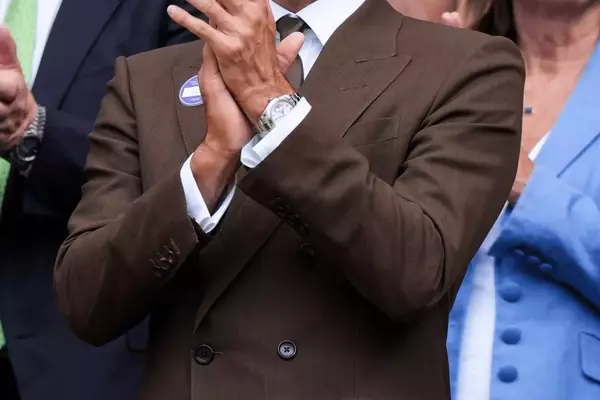
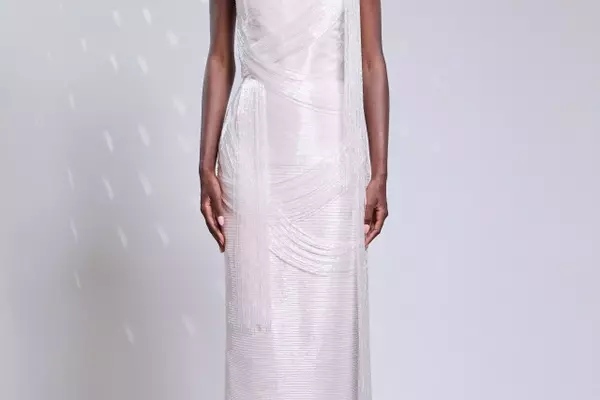
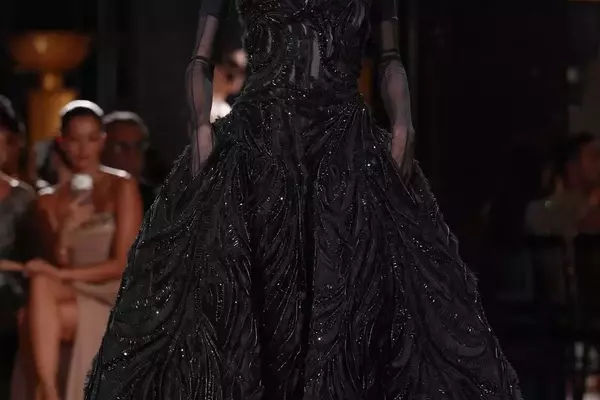
The practice of tennis players making a grand entrance in specially designed attire is rapidly gaining traction, drawing parallels to the established fashion spectacles of NBA tunnel walks. This shift highlights a growing recognition among athletes and brands of the strategic value in pre-match fashion. Naomi Osaka, known for her bold style, has pioneered this movement with custom kimono-inspired gowns and designer collaborations, transforming her court appearances into runway moments. Similarly, Taylor Fritz showcased a bespoke white suit by Boss at Wimbledon, demonstrating how players adhere to traditional dress codes while making a significant style statement, actively engaging with brands to elevate their presence and capture the tournament's essence through sophisticated attire.
This emerging trend extends beyond luxury brands, with various athletes pushing creative boundaries with their sportswear partners. Coco Gauff has unveiled fashion-forward collaborations with New Balance and Miu Miu, reimagining traditional tennis wear. Novak Djokovic and Marta Kostyuk have also contributed to this movement, with Djokovic sporting a Lacoste jacket featuring a hidden message and Kostyuk drawing inspiration from her wedding dress for a custom lace Wilson ensemble. These efforts signify a deliberate move by players to infuse personal style into their professional personas, collaborating closely with stylists and brands to craft unique looks. This not only amplifies their individual brand identities but also transforms the tennis court into a dynamic platform for fashion innovation, generating excitement and attracting a broader demographic.
Fashion's Impact on Athlete Branding and Sport Popularity
The increasing visibility of fashion in tennis is transforming how athletes build their brands and engage with fans. Industry experts note that these "walk-on looks" serve as powerful storytelling vehicles, enabling players to connect with audiences on a deeper, more emotional level. Beyond the confines of the game, these sartorial choices offer a new entry point for fans into the sport, sparking conversations and generating interest from those who might not typically follow tennis. The strategic use of fashion allows athletes to extend their influence and cultural equity, creating lasting impressions that transcend their playing careers and foster a more inclusive and fashionable sporting environment.
This fusion of fashion and sport presents substantial opportunities for athletes to diversify their business portfolios, moving beyond traditional endorsement deals to more impactful partnerships. Athletes like Roger Federer and Serena Williams exemplify this trend, shifting focus from mere endorsements to equity stakes and entrepreneurial ventures. The deliberate integration of fashion into tennis aims to broaden the sport's global appeal, particularly in regions where accessibility might be limited. By allowing players more freedom in their self-expression through clothing, the sport becomes more relatable and engaging, potentially attracting new generations of fans. This strategic evolution underscores a future where athletes are not only champions on the court but also significant cultural icons, shaping trends and expanding the sport's reach through innovative fashion collaborations.